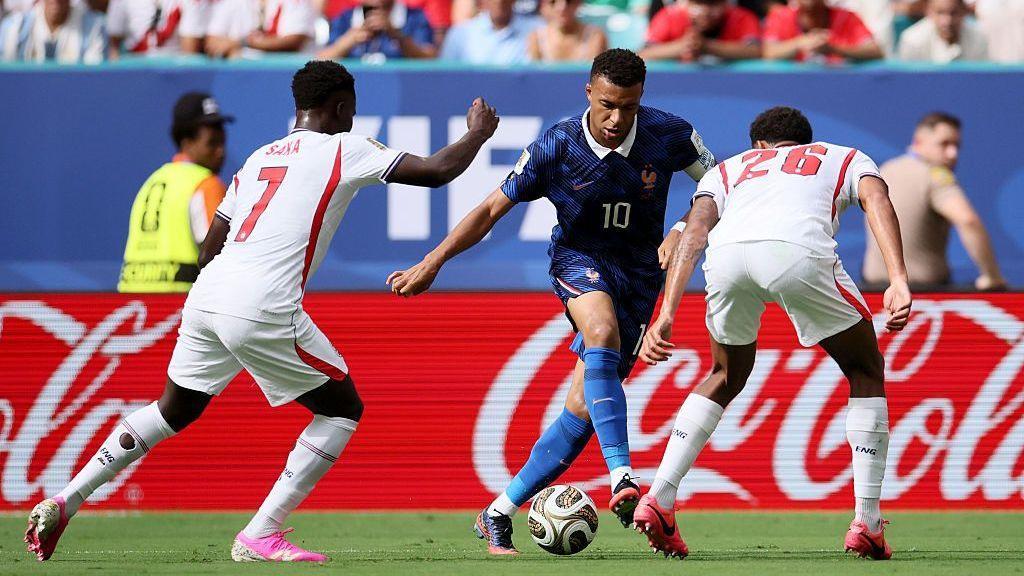
2026 FIFA World Cup: More than 65,000 for fans
September 21, 2026
A study revealed that unhealthy food advertisements were shown to fans 65,722 times during the 2026 FIFA World Cup. This situation has the potential to have negative effects on public health.
2026 FIFA World Cup: More than 65,000 for fans
BbcAccording to
Background
While this advertising bombardment increases the effectiveness of brands such as Coca-Cola, McDonald's, Powerade and Lay's, which are among FIFA's sponsors, it may also negatively affect fans' access to healthy food options. Research has revealed that the total visibility time of these brands' ads covers more than 16% of the matches.
Why is it important
Unhealthy food advertisements shown to fans at the 2026 FIFA World Cup create a worrying situation for public health. The intensity of such advertising can encourage unhealthy eating habits, especially among younger viewers, and lead to health problems such as obesity.
Featured
- 2026 FIFA World Cup: More than 65,000 fans.
- A study revealed that unhealthy food advertisements were shown to fans 65,722 times during the 2026 FIFA World Cup.
- World Cup: Fans shown over 65,000 junk food ads during football matches - BBC Sport.
It was revealed that during the 2026 FIFA World Cup, fans were shown a "constant bombardment" of advertisements promoting unhealthy food and drinks. Researchers from the Universities of Bristol and Oxford developed an artificial intelligence tool to analyze the advertisements visible to television viewers throughout the tournament's 104 matches. According to the investigations, logos and products of unhealthy food and beverage brands were displayed a total of 65,722 times on billboards around the stadiums and on the fields. The total visibility time of these advertisements was calculated as 28.1 hours, which covers more than 16% of the total time during which the matches were played.
The ads were shown on the international broadcast feed during the matches, meaning that all viewers broadcasting the matches in every country were exposed to these ads. Researchers estimated that an average of 576 unhealthy food and drink ads were visible during each game. Coca-Cola had the highest number with 21,893 impressions, followed by McDonald's with 13,915, Powerade with 12,777 and Lay's with 12,087. All four brands are among the official sponsors of FIFA.
Responding to the research results, FIFA stated that a large part of their income is invested back into football, and that they also support health and welfare projects. “FIFA works with a broad portfolio of global partners and are subject to governance and compliance frameworks,” a FIFA official said. FIFA's social impact campaigns aim to deliver messages of unity, inclusion, health and friendship to a large audience throughout the World Cup.

BBC Sport contacted PepsiCo, which owns Coca-Cola, McDonald's and Lay's, but did not receive a response. The research also analyzed other "potentially harmful" forms of advertising and found that promoting unhealthy food and drink was much more common. Unhealthy food and beverage logos achieved nearly seven times more visibility than alcohol and prediction markets brands, ten times more visibility than gambling companies, and almost twenty-five times more visibility than cryptocurrencies.
"Continuously associating unhealthy food and drink brands with football, excitement and national identity can make these brands familiar and normalize their consumption," the researchers said, noting that such advertisements shown at an international event fall outside the law.The UK government has introduced legislation to ban unhealthy food adverts on television before 9pm from October 2025. However, advertisements shown during matches are outside the scope of these laws. This causes unhealthy food ads to reach viewers even during hours when they should be banned.
What's next
Although FIFA states that it supports health and welfare projects, further discussion and scrutiny is expected on the effects of these advertisements. There may be increasing calls for more advertisements promoting healthy living in future tournaments.
Frequently Asked Questions
What happened in the 2026 FIFA World Cup?
It turned out that fans were shown a constant bombardment of advertisements promoting unhealthy foods and drinks.
Who confirmed this situation?
Researchers from Bristol and Oxford Universities analyzed advertisements across 104 matches of the tournament.
Why has this issue come up now?
Researchers revealed the number and duration of visibility of unhealthy food ads shown throughout the tournament.
How many of these ads?
Logos and products of unhealthy food and beverage brands were shown 65,722 times in total.
How did FIFA respond to this situation?
FIFA stated that most of their income is invested back into football and they support health projects.
Related News
- FIFA's World Cup Plan: Premier League Manager
- Infantino is Preparing for the Meeting with FIFA Executives
- FIFA Will Enable Private Investors to Get a Share from the World Cup
Related News
Related News
Related News
Related News
Related News

America's Historic Victory: Beats Mexico 3-0
The USA beat Mexico 3-0, ending their losing streak against teams in FIFA's top 10 rankings. Young talents such as Cavan Sullivan and Julian Hall attracted attention in the match.
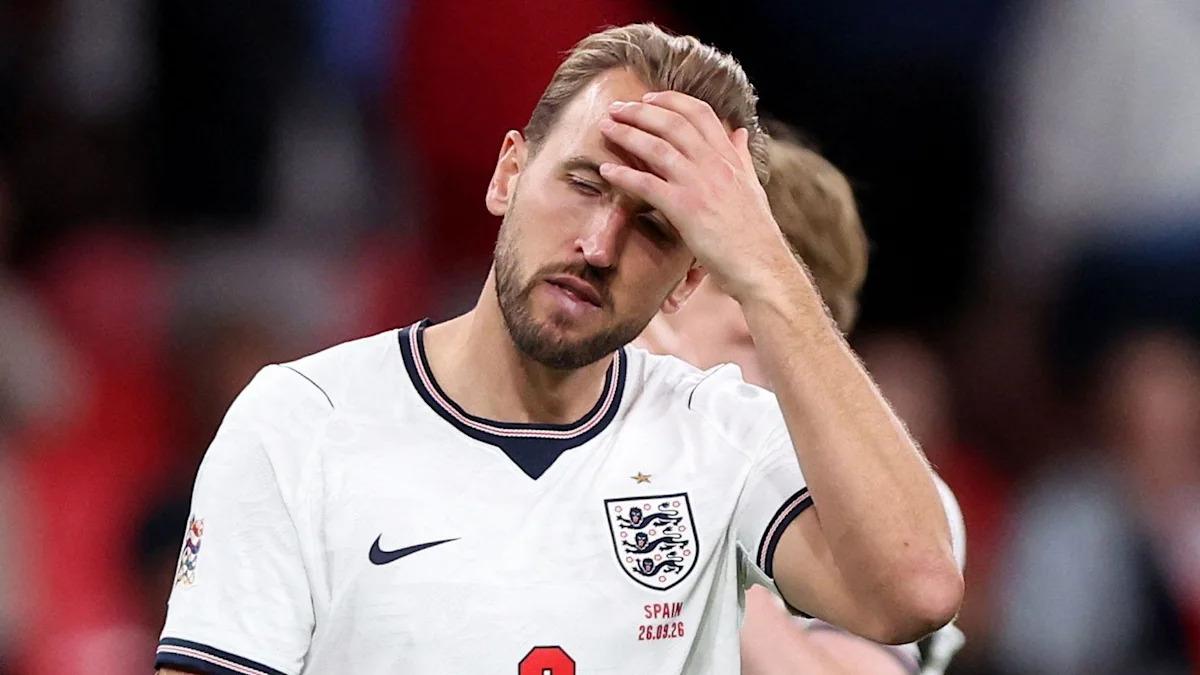
Britain Embraces Chaos - But Control Is Also Required
England lost 3-2 in the UEFA Nations League match against Spain. This match once again demonstrated that the team must maintain control even in chaos.

The Power of Youth: USA Continued on its Way by Beating Peru 4-1
The US men's national soccer team defeated Peru 4-1 in its first match after the 2026 FIFA World Cup. Young players shed light of hope for the future with this victory.
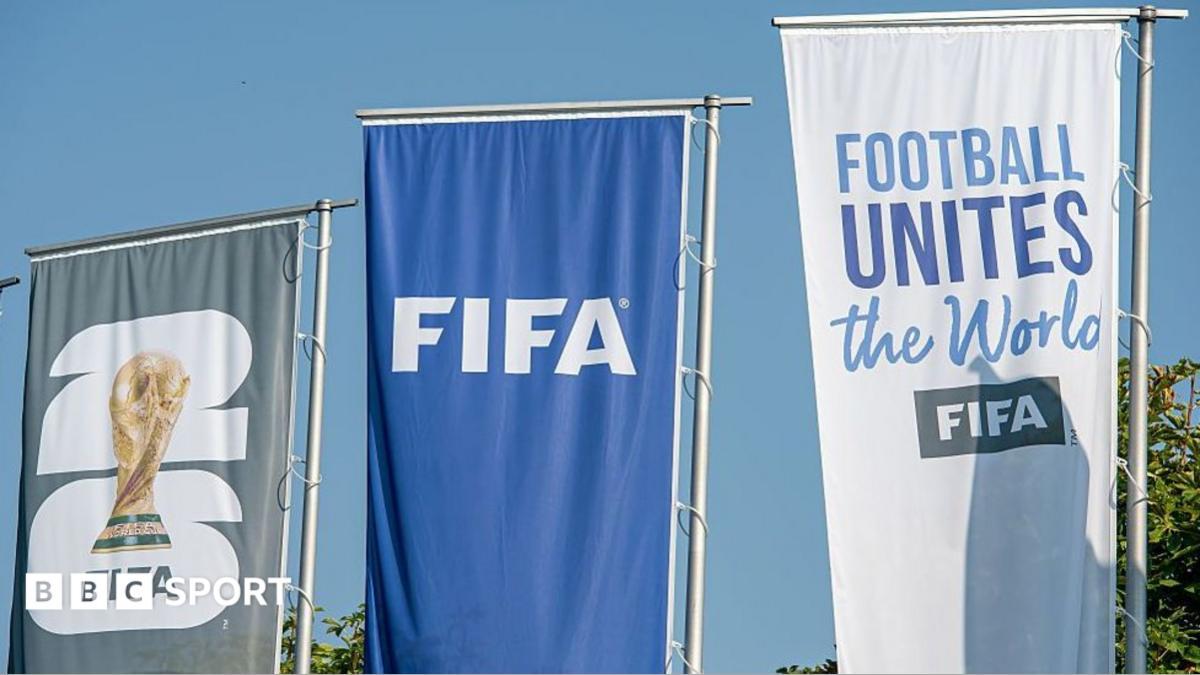
Premier League Calls for Reform in FIFA's Governance
The Premier League, La Liga, Bundesliga and Serie A have called for radical reforms in FIFA's governance. The leagues, which criticized President Gianni Infantino and demanded transparency and accountability, emphasized that important steps should be taken for the future of football.